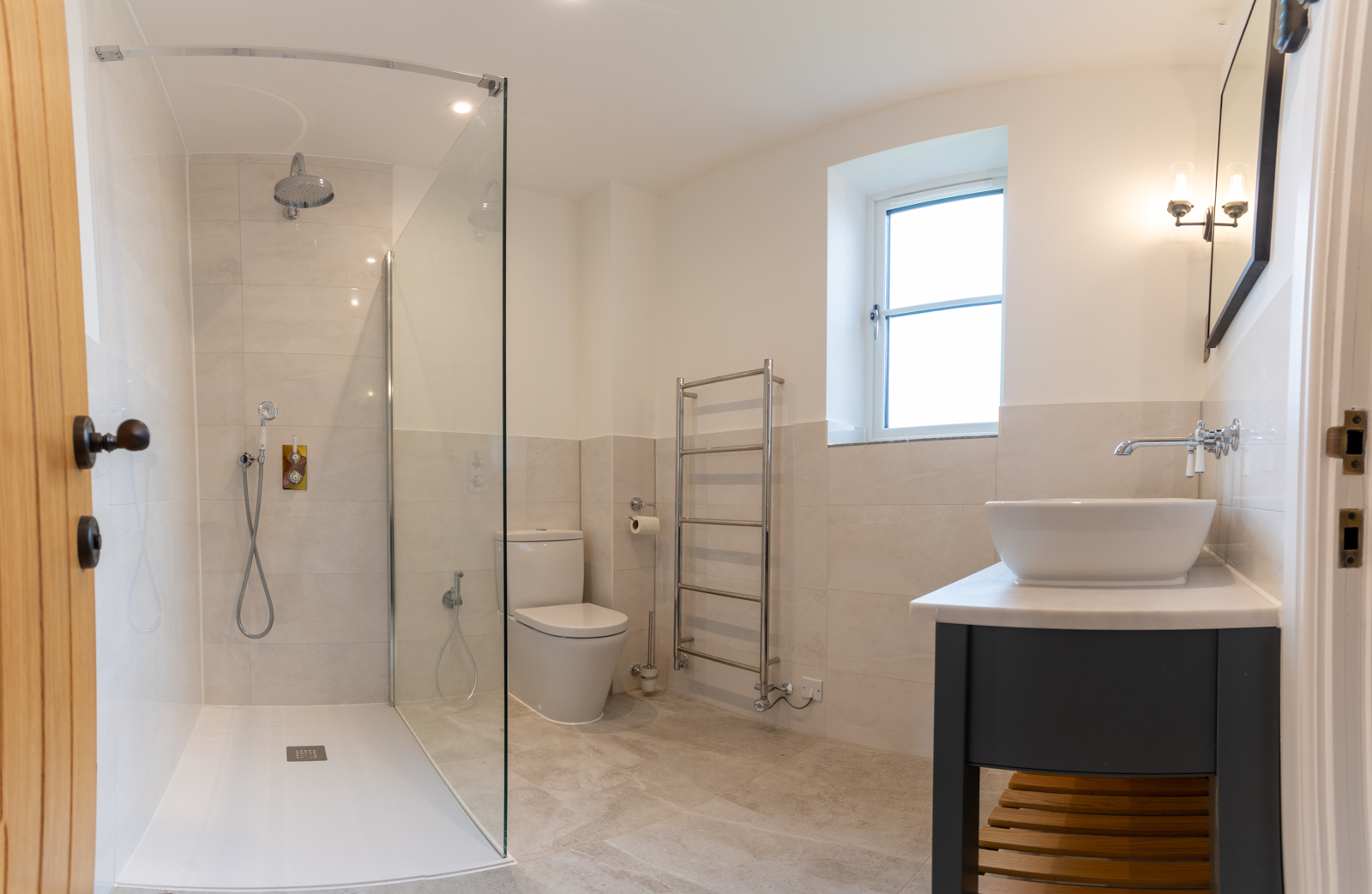
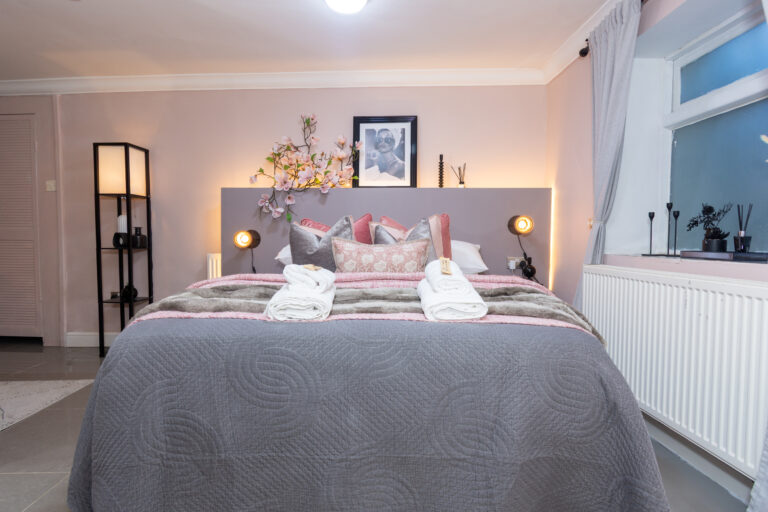
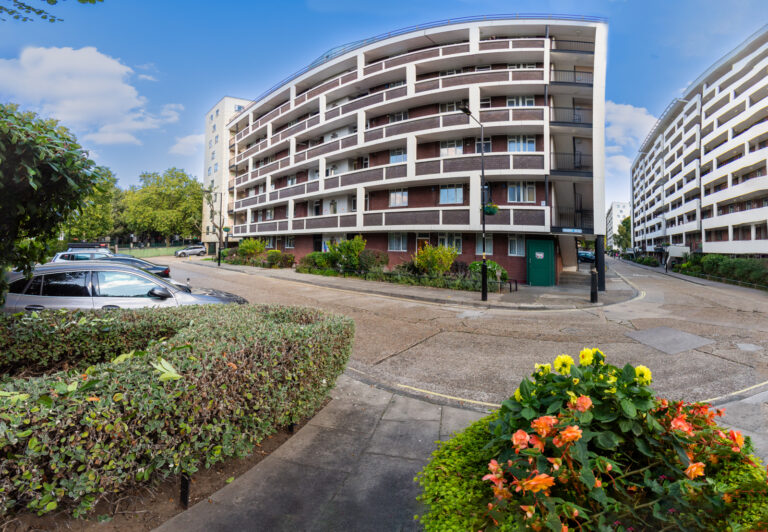
Light isn’t just part of a photo — it is the photo.
When it comes to property photography, the way you use and respect light decides whether the place feels warm and welcoming or cold and lifeless.
Before every shoot, I take a short walk around the property — without the camera — just to observe how the daylight falls through the windows.
Every property has a rhythm: morning light in the kitchen, soft afternoon glow in the living room, or golden reflections in the hallway. If you learn to work with that rhythm instead of fighting it, your photos will always feel more natural.
Turn off unnecessary lights, especially when daylight is already strong. Mixing cool daylight with warm artificial bulbs usually creates messy orange or blue color casts.
If the sunlight is too harsh, soften it — close the curtain halfway or wait for a passing cloud. Patience pays off.
I always carry a 5-in-1 reflector; sometimes I just use the white side to bounce a little light into a darker corner. It’s subtle, but it makes a huge difference in balance.
💡 Editing note:
When I edit, I avoid pushing exposure too high. Bright doesn’t mean overexposed — I prefer keeping details in the highlights so that windows still look real, not burned out.
One small trick: North-facing windows usually give you soft, even light all day long. That’s my favorite type of lighting for editing later — it keeps colors clean and shadows natural.
In property photography, it’s never about showing how bright a place is; it’s about showing how it feels to stand there.