Composition is the invisible language of photography.
Even if your client doesn’t know what “leading lines” or “visual balance” mean, they can instantly feel when a photo looks right.
When you walk into a room, take five seconds to breathe and look — notice where your eyes naturally go. That’s your starting point for composition.
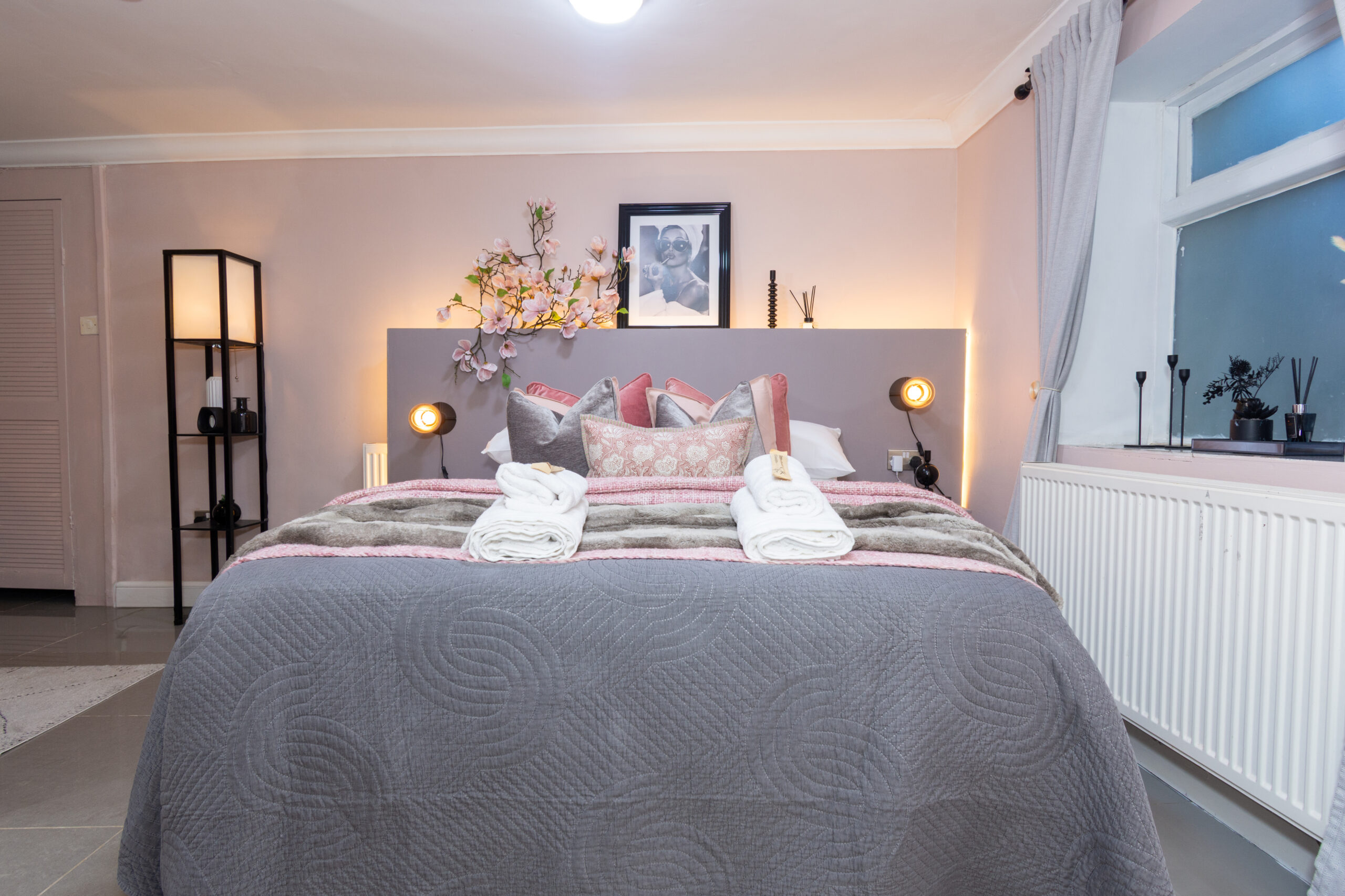
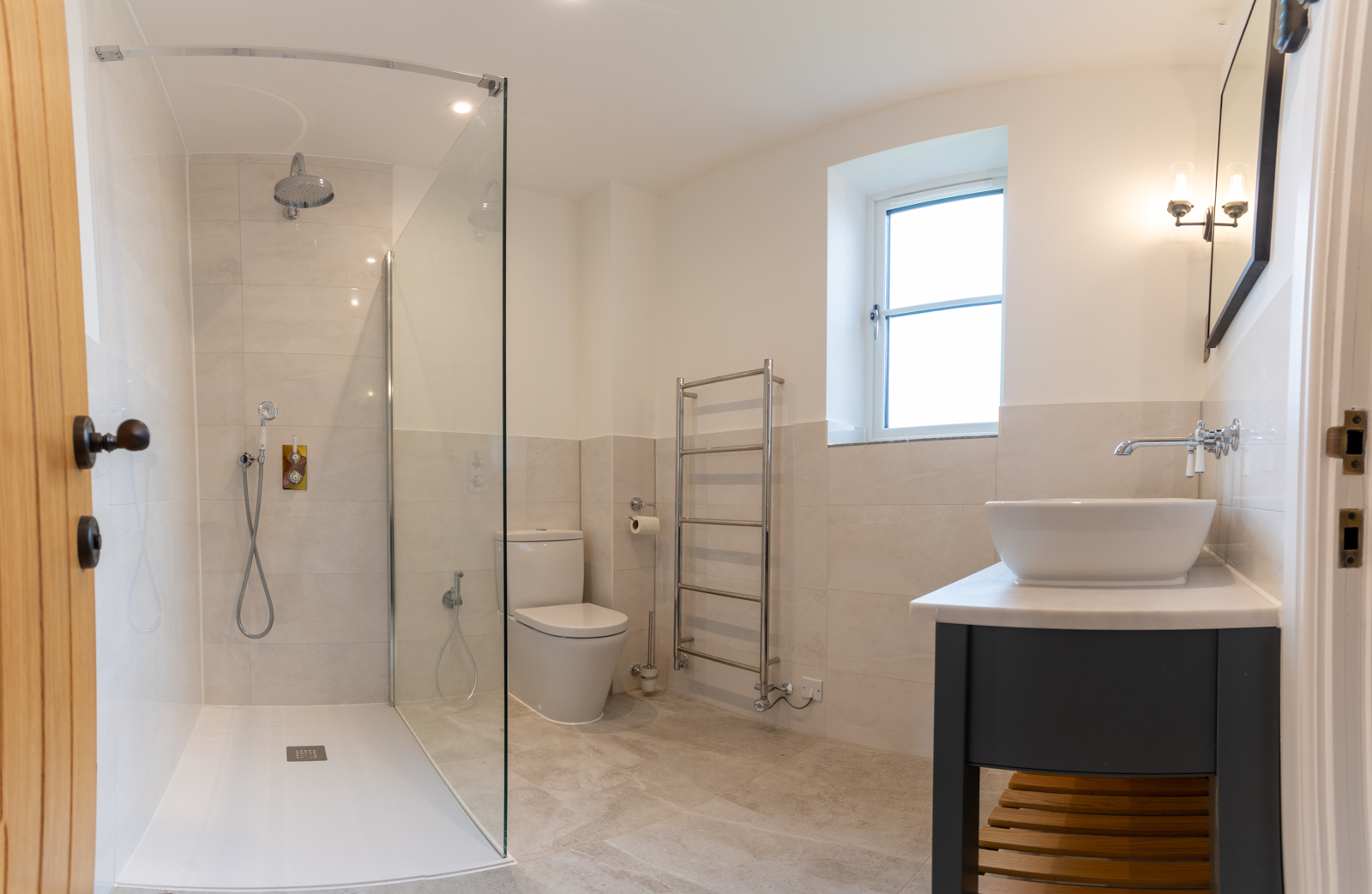
Most rooms have a natural “flow” — lines from the floor, edges of furniture, or even ceiling beams that guide your viewer’s eyes through the frame. Try to align those lines in a way that leads toward the main subject, like a fireplace, a window, or the dining area.
Always make sure your camera is at eye level — not too high, not too low.
For property shoots, this is usually around 120 to 140 cm from the floor.
Too high, and the room feels compressed. Too low, and it feels distorted.
📏 Balance tip:
Divide your frame mentally into left and right halves. Each side should have roughly equal visual weight — not identical, but balanced. A tall plant on one side can be balanced by a painting or window on the other.
I always shoot in landscape orientation for full rooms and portrait orientation for narrow spaces or detail shots. The key is variety.
And one more thing — less is more. Don’t try to show the entire room in one shot.
Leave some mystery. The viewer’s imagination will fill the rest.
📸 From my experience:
One of my favorite compositions came from a hotel shoot in Surrey. I was about to take a normal wide shot, but instead, I focused only on the window and the soft reflection of a chair in the mirror beside it. The client told me later that was the photo that sold the room.